
Planning ahead for end-of-life arrangements is never easy, but understanding funeral costs can make a difficult time far more manageable. From burial services to cremation options, the expenses involved vary widely depending on choices, location, and provider. This guide breaks down what families can expect to pay, what factors influence pricing, and how to make informed decisions without compromising on dignity or care.
What are funeral costs and why do they vary so much?

When a loved one passes away, families are often surprised by how much the overall funeral costs can add up. The total expense is rarely a single flat fee — it is a combination of professional service charges, third-party disbursements, and optional add-ons that differ based on the type of service chosen, the funeral home selected, and even the geographic region.
The difference between basic and full-service funerals
A basic or direct funeral typically covers transportation, a simple coffin, and legal documentation, making it the most affordable option. A full-service funeral, by contrast, includes visitation, a formal ceremony, floral arrangements, and often a reception. The gap between these two can be significant, sometimes ranging from £1,500 to over £9,000 in the UK depending on the provider and region selected.
Regional pricing differences across the UK
Location plays a substantial role in determining funeral costs. Urban areas such as London and the South East tend to have higher overheads, which are reflected in service pricing. In contrast, families in rural or northern regions may find more competitive rates. It is always advisable to request itemised quotes from multiple funeral directors to compare what is genuinely included in each price point.
Hidden charges families should be aware of
Beyond the headline price, several disbursement fees can catch families off guard. These include crematorium or burial ground fees, doctor’s certificates, minister or celebrant fees, and obituary notices. These third-party charges are typically passed on at cost, but knowing they exist helps families budget more accurately. Always ask for a full written estimate before committing to any funeral arrangement or service package.
Breakdown of funeral costs: a comprehensive comparison table
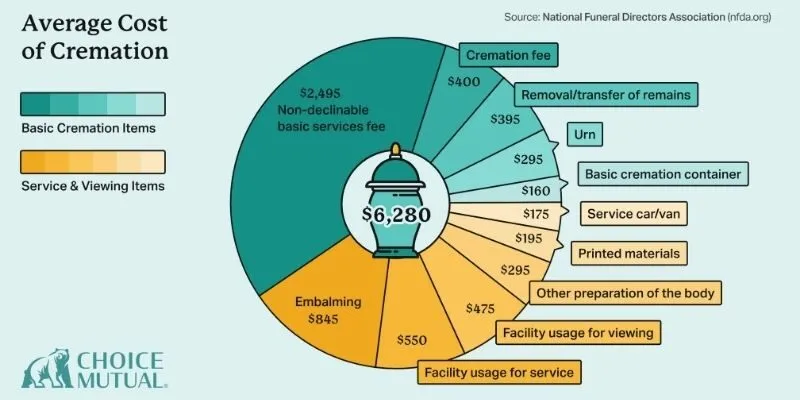
To help families understand the typical range of expenses, the table below outlines the most common components of funeral costs in the UK, from essential services to optional enhancements. Prices are approximate and can vary depending on the funeral director, region, and specific choices made by the family. This overview provides a useful starting point for budgeting and planning.
| Service component | Estimated cost (£) | Notes |
| Basic funeral director fee | £1,000 – £2,500 | Covers care of the deceased, documentation, and coordination |
| Coffin or casket | £300 – £3,000+ | Wide range from simple wood to premium hardwood or eco options |
| Cremation fee | £700 – £1,200 | Varies by crematorium and time of day |
| Burial plot and grave digging | £1,000 – £5,000+ | Significantly higher in London and urban cemeteries |
| Death certificates (multiple) | £11 per copy | Usually need 4–6 copies for legal and financial purposes |
| Minister or celebrant | £150 – £400 | Depends on religious or civil ceremony type |
| Flowers and tributes | £100 – £500+ | Optional but commonly included in full-service arrangements |
| Wake or reception venue | £200 – £1,500+ | Highly variable based on guest numbers and catering |
| Headstone or memorial | £500 – £3,000+ | Purchased separately, often after the burial |
How to manage and reduce funeral costs without cutting corners
Many families feel pressured to spend more than they can afford out of a sense of obligation or grief. However, managing funeral costs responsibly does not mean compromising on the quality of care or the dignity of the farewell. There are several practical strategies that can help reduce financial strain while still honouring a loved one in a meaningful and respectful way. Knowing your options empowers better decisions.
Pre-paid funeral plans and what they cover
One of the most effective ways to protect against rising funeral costs is to arrange a pre-paid funeral plan in advance. These plans lock in today’s prices for future services, shielding families from inflation. Regulated by the Financial Conduct Authority since 2022, they offer greater consumer protection. Families should review what is and is not included, as disbursements such as crematorium fees are not always covered in the base plan price.
Choosing cremation over burial to lower expenses
Cremation is generally less expensive than a traditional burial and has become increasingly popular across the UK. Direct cremation, which takes place without a formal ceremony, represents the most affordable option available. Families can still hold a separate memorial service at a later date, allowing for a personal tribute without the full cost of a traditional funeral. This approach gives flexibility and financial relief during a stressful period.
Government support and bereavement financial assistance
For families facing financial hardship, the UK government offers a Funeral Expenses Payment through the Department for Work and Pensions. This benefit can contribute toward funeral costs for those receiving certain means-tested benefits. While it may not cover the full amount, it provides meaningful support. Additionally, some local councils offer public health funerals for those with no next of kin or financial means, ensuring dignified arrangements for all.
Choosing a trusted funeral director to handle funeral costs transparently
Not all funeral providers operate with the same level of transparency, and the way funeral costs are presented can vary significantly. Choosing a reputable, established funeral director is essential to ensuring that families receive honest pricing, compassionate service, and professional guidance. A good provider will always offer itemised pricing, explain every charge clearly, and never pressure families into unnecessary upgrades. Reputation, accreditation, and community trust matter enormously when making this choice.
When evaluating funeral directors, families should look for membership in recognised professional bodies such as the National Association of Funeral Directors (NAFD) or the National Society of Allied and Independent Funeral Directors (SAIF). These memberships signal adherence to a code of practice and ethical pricing standards. Reading independent reviews and seeking personal recommendations from friends or healthcare professionals can also guide families toward providers with a proven track record of care and integrity.
Austin Davis and Son is one such trusted provider, offering compassionate, professional funeral services with full pricing transparency. Families can explore their Services to understand the full range of arrangements available, from traditional funerals to more contemporary options. Their team is experienced in guiding families through every aspect of the process, ensuring that the financial and emotional burden is handled with sensitivity, respect, and genuine care from the very first conversation.
>>> Read More: Prepaid Funeral Plans | Compare Costs, Benefits & Coverage
Conclusion
Understanding funeral costs is one of the most practical steps any family can take, whether planning ahead or navigating a sudden loss. From choosing between cremation and burial to exploring pre-paid plans and government support, informed decisions reduce both financial and emotional stress. For compassionate, transparent guidance, Austin Davis and Son provides the expertise and care every family deserves during life’s most challenging moments.