
When someone passes away, their estate must go through a legal process before assets can be distributed. A Grant of Probate is the official document that gives an executor the legal authority to manage and settle a deceased person’s estate. Understanding how this process works — and why it matters — can save families significant time, stress, and potential legal complications during an already difficult period.
What is a Grant of Probate and why does it matter?

A Grant of Probate is a legal document issued by the Probate Registry, confirming that a will is valid and that the named executor has the authority to administer the deceased’s estate. Without this document, banks, financial institutions, and property registries will typically refuse to release assets or transfer ownership. It acts as the formal “green light” for estate administration to begin in earnest.
The importance of obtaining a Grant of Probate cannot be overstated. Even when a valid will exists, third parties — including HMRC, mortgage lenders, and pension providers — require this court-issued authority before they will cooperate with an executor. In estates involving significant assets, property, or complex financial arrangements, the grant is almost always a prerequisite to lawful distribution.
When is a Grant of Probate required?
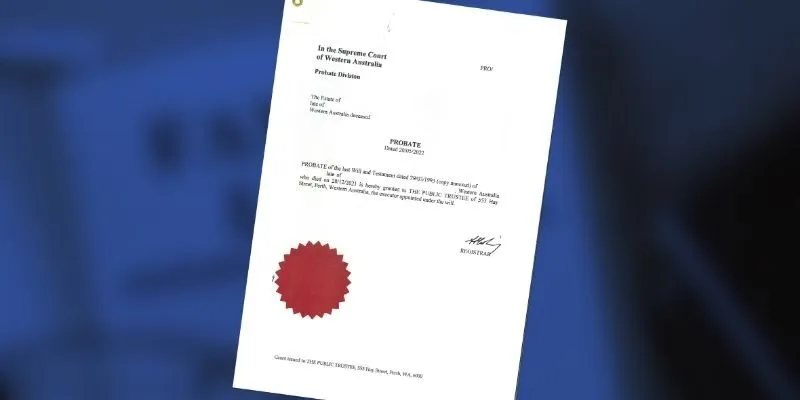
Not every estate requires a Grant of Probate. The necessity depends largely on the nature and value of the assets involved. Understanding when it is and is not required helps families plan accordingly and avoid unnecessary delays.
Below is a structured overview of common scenarios and whether a Grant of Probate is typically needed:
| Scenario | Grant of Probate required? | Notes |
| Estate includes land or property | Yes | Required to transfer or sell property |
| Bank accounts over £5,000–£50,000 | Usually yes | Threshold varies by institution |
| Jointly owned assets (survivorship) | No | Passes automatically to surviving owner |
| Small estates with no property | Often no | Depends on bank and asset type |
| Assets held in trust | No | Trust assets fall outside the estate |
| Stocks, shares, and investments | Usually yes | Registrars typically require the grant |
The step-by-step process of applying for a Grant of Probate
Applying for a Grant of Probate involves several legally important steps, and each stage must be completed accurately to avoid delays or rejection. The process can feel overwhelming for those navigating it for the first time, but a clear understanding of the sequence makes it far more manageable. Working with experienced professionals — such as the team at Austin Davis and Son — can help ensure every requirement is properly met.
Gathering essential documents
Before submitting an application, the executor must collect key paperwork, including the original will, the death certificate, and any codicils attached to the will. A complete asset and liability schedule is also required to calculate the estate’s total value. Accurate documentation at this stage prevents errors that could delay the entire probate process.
Completing the inheritance tax forms
One of the most critical steps before a Grant of Probate can be issued is addressing inheritance tax obligations. If the estate exceeds the nil-rate band threshold (currently £325,000), an IHT400 form must be submitted to HMRC. In smaller or exempt estates, the simpler IHT205 form applies. Any tax owed must generally be paid before the grant is released.
Submitting the probate application
Once tax matters are resolved, the executor submits the probate application — either online through the HMCTS portal or via a paper PA1P form — along with the original will and death certificate. The Probate Registry processes the application and, if satisfied, issues the Grant of Probate. Processing times vary but typically range from four to eight weeks under normal circumstances.
Common challenges and how to navigate them effectively
Even straightforward estates can encounter unexpected complications during the Grant of Probate process. Recognising these challenges early allows executors to address them proactively rather than reactively. For guidance on what to do immediately after a bereavement, the Upon A Death resource provides clear, practical advice to help families take the right steps from the very beginning.
Disputed wills and contested estates
If a beneficiary or interested party believes a will is invalid — due to lack of testamentary capacity, undue influence, or improper execution — they may lodge a caveat at the Probate Registry. This halts the Grant of Probate process until the dispute is resolved. Contested probate cases can be lengthy and costly, making early legal advice essential.
Missing assets and incomplete records
Executors sometimes discover that the deceased held accounts, policies, or investments that were not documented. Tracing these assets requires engagement with financial institutions and, in some cases, specialist asset-tracing services. Incomplete records can significantly delay the issuance of a Grant of Probate and complicate the accurate valuation of the estate.
Delays from HMRC and the Probate Registry
Processing backlogs at both HMRC and the Probate Registry have become increasingly common, particularly following periods of high demand. Executors should anticipate potential delays and communicate transparently with beneficiaries about realistic timelines. Submitting complete, error-free applications is the most effective way to minimise avoidable hold-ups in receiving the Grant of Probate.
>>> Read More: What to Do When Someone Dies | Essential Steps & Guidance
Conclusion
Navigating the Grant of Probate process requires both legal knowledge and careful attention to detail. From gathering documents and handling inheritance tax to managing disputes and registry delays, each stage carries real consequences for beneficiaries and estate administration. If you need professional support through this process, the experienced team at Austin Davis and Son is well-equipped to guide you every step of the way — ensuring the estate is handled with the care and precision it deserves.