
Direct cremation has emerged as a compassionate, straightforward alternative that simplifies the farewell process without compromising dignity. It offers a practical solution for those seeking a meaningful yet affordable arrangement, allowing families to focus on remembrance rather than logistics and cost.
What is direct cremation and how does it work?
Understanding direct cremation begins with recognizing what sets it apart from traditional funeral services. Unlike conventional arrangements, this option removes the need for embalming, viewing, or a formal funeral ceremony before cremation takes place. The body is collected, cared for respectfully, and cremated within a short timeframe, with ashes returned to the family. It is a straightforward process that prioritizes simplicity and affordability while maintaining full legal compliance and professional care throughout.
The step-by-step process explained
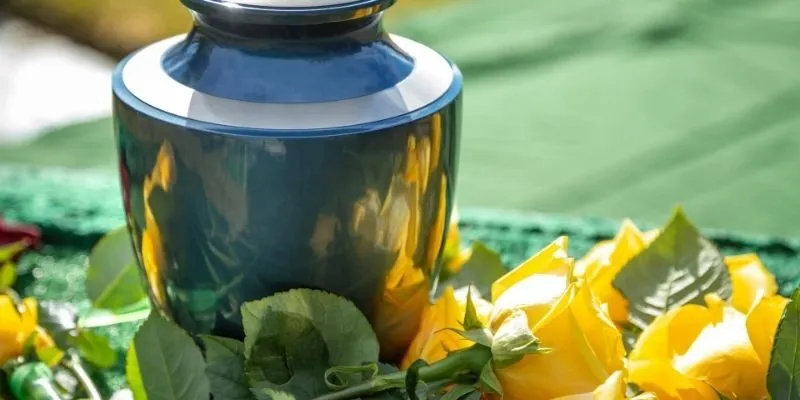
The direct cremation process typically begins with collection of the deceased from the place of death, whether at home, a hospital, or a care facility. The body is then transferred to a crematorium, where identification procedures are followed strictly. Cremation takes place without a prior service, and the ashes are returned to the family, usually within a few days, in a dignified container of their choice.
Who handles the arrangements?
A licensed funeral director manages every aspect of direct cremation, ensuring all documentation, legal requirements, and care standards are met. Families are guided through paperwork such as the death certificate and cremation authorization forms. Providers like Austin Davis and Son offer compassionate, professional support throughout, ensuring families never feel alone in navigating what can be an emotionally demanding time, even within a simplified arrangement.
What happens to the ashes afterward?
Once direct cremation is complete, families receive the ashes in a sealed container. From there, options are entirely personal. Many choose to scatter ashes in a meaningful location, keep them in a memorial urn at home, or inter them in a cemetery. Some families hold a private memorial gathering at a later date, giving them the flexibility to grieve and celebrate their loved one’s life entirely on their own terms and timeline.
Direct cremation vs. traditional funeral: a clear comparison
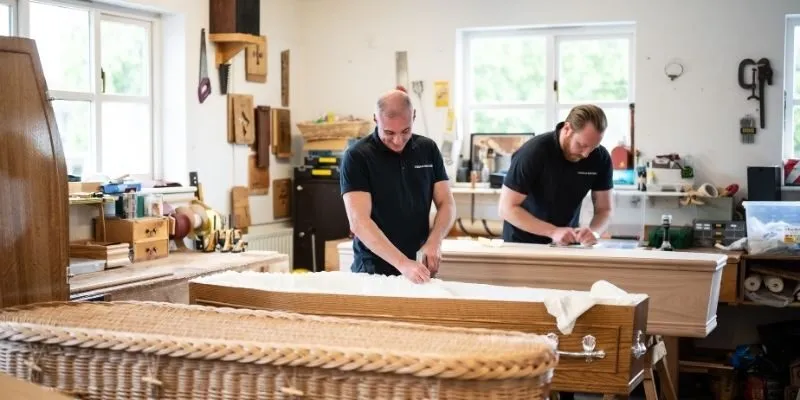
Choosing between direct cremation and a traditional funeral involves weighing several key factors including cost, timeline, emotional needs, and personal or cultural values. The table below provides a side-by-side comparison to help families make an informed decision that aligns with their priorities and circumstances.
| Factor | Direct cremation | Traditional funeral |
| Average cost (UK) | £1,000 – £1,800 | £3,500 – £6,000+ |
| Embalming required | No | Often yes |
| Viewing/visitation | Not included | Typically included |
| Ceremony before cremation | No | Yes (chapel/church) |
| Timeframe for cremation | 3–7 days | 7–14 days |
| Memorial flexibility | High – family chooses when/where | Fixed around funeral date |
| Environmental impact | Lower than burial | Higher (casket, burial plot) |
| Suitable for pre-planning | Yes, highly recommended | Yes, but more complex |
Key benefits of choosing direct cremation for your family
The growing popularity of direct cremation across the UK reflects a broader shift in how people approach end-of-life planning. Families are increasingly drawn to its practical advantages, emotional flexibility, and reduced financial burden. Whether motivated by cost, environmental concerns, or a desire for a more personal farewell, this option continues to resonate with modern sensibilities and changing attitudes toward death and remembrance.
Financial accessibility without compromise
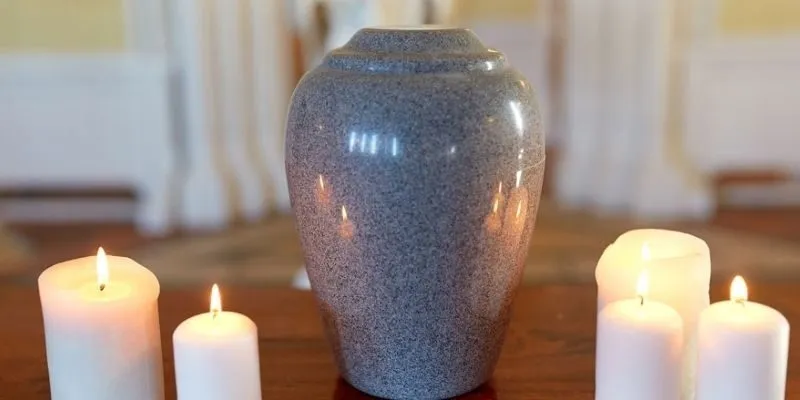
Direct cremation is significantly more affordable than traditional funeral services, often costing a fraction of the price. This financial relief can be profound during an already difficult time, freeing families from debt or financial stress. The reduced cost does not mean reduced care — reputable providers still handle every step with professionalism, compassion, and full compliance with UK regulations governing the handling of human remains.
Environmental and ethical considerations
Many families choose direct cremation because of its comparatively lower environmental footprint. It avoids the use of embalming chemicals, elaborate caskets, and land-intensive burial plots. For those with eco-conscious values, it aligns well with a greener approach to end-of-life care. Providers such as those offering Services at Austin Davis and Son are attentive to these concerns and can advise on environmentally responsible options for ash disposition.
Flexibility to memorialize on your own terms
One of the most meaningful benefits of direct cremation is the freedom it gives families to plan a memorial that truly reflects the person who passed. Without being tied to a fixed funeral date, relatives can gather when ready, choose any location, and create a ceremony that feels authentic. This flexibility is especially valuable for families spread across different locations or those who need time to process grief before celebrating a life.
>>> Read More: Funeral Costs | Average Prices, Fees & Planning Guide
Conclusion
Direct cremation offers families a dignified, affordable, and flexible alternative to traditional funeral arrangements. It simplifies one of life’s most difficult moments without sacrificing care or respect. Whether you are planning ahead or navigating an immediate loss, understanding your options is essential. Austin Davis and Son is a trusted provider committed to guiding families with compassion and professionalism every step of the way.