
Losing someone you love is one of life’s most overwhelming experiences. Knowing what to do when someone dies can feel impossible in those first raw moments of grief. Yet understanding the essential steps — from notifying the right people to arranging a dignified farewell — helps families navigate this painful time with greater clarity, confidence, and compassion for themselves and their loved one.
What to do when someone dies: the first critical hours

The moments immediately following a death can feel surreal and disorienting. Understanding what to do when someone dies in those first hours is essential, because certain actions must happen promptly. Whether the death occurred at home, in a hospital, or a care facility, there is a defined sequence of responsibilities that helps protect both the deceased and the bereaved family moving forward.
Notify the appropriate medical professional
If the death happens at home, you must contact a doctor or emergency services immediately so the death can be formally confirmed. A medical professional will issue a Medical Certificate of Cause of Death (MCCD), which is required before any other steps can begin. Without this document, the legal and funeral process cannot proceed, so this is always the very first call to make.
Contact a trusted funeral director
Once the death is confirmed, reaching out to a reputable funeral director is the next priority. A professional team like Austin Davis and Son can guide families through every practical step with sensitivity and expertise. They will arrange the safe transfer of the deceased and advise on all the immediate decisions that need to be made, relieving pressure during an incredibly difficult time.
Inform close family and friends
After contacting a funeral director, begin notifying the people closest to the deceased. Take your time with these conversations — there is no single correct way to share such news. Some families prefer to call individually, while others gather together first. Whoever you contact, be clear, compassionate, and prepared for a range of emotional responses from those who receive the news.
Legal and administrative steps you need to take

Beyond the emotional weight, what to do when someone dies involves a series of legal and administrative obligations that must be completed correctly and within specific timeframes. Failing to complete these steps can cause delays in funeral arrangements and the settlement of the deceased’s estate. Knowing what is required in advance makes the process significantly less stressful for everyone involved.
The legal requirements following a death in the UK typically include the following key actions:
- Obtain the Medical Certificate of Cause of Death from the attending doctor
- Register the death at the local register office within five days
- Obtain multiple certified copies of the death certificate for legal and financial purposes
- Notify relevant government departments, including the Department for Work and Pensions
- Inform banks, pension providers, and insurance companies
- Locate and review the deceased’s will, if one exists
Registering the death is a legal requirement in England and Wales and must be completed within five days of the death occurring. The registrar will issue a green certificate (the “certificate for burial or cremation”) that your funeral director will need before the funeral can take place. Guidance on this process is clearly outlined through resources like Upon A Death, which provides practical support for bereaved families at every stage.
A practical timeline: key steps after bereavement
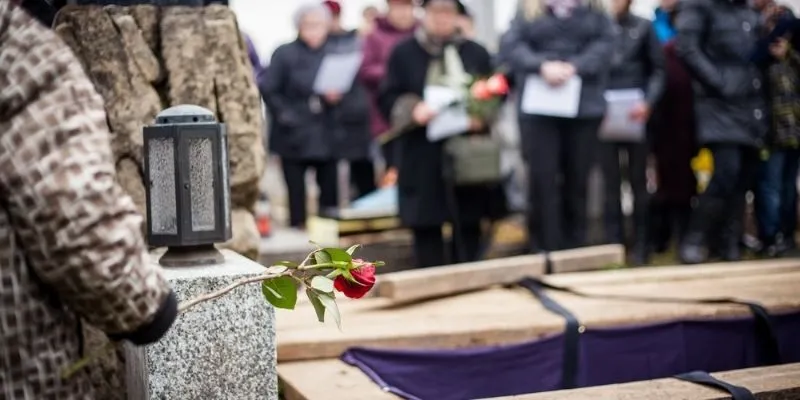
Having a clear timeline can help families manage the many tasks involved when what to do when someone dies becomes a daily reality. The following table outlines the most important actions and when they typically need to happen, giving you a structured framework to follow during what can otherwise feel like a chaotic and overwhelming period.
| Timeframe | Action required | Who is responsible |
| Immediately | Confirm the death with a medical professional | Doctor / emergency services |
| Within 24 hours | Contact a funeral director and notify close family | Next of kin |
| Within 5 days | Register the death at the local register office | Next of kin / informant |
| Within 1–2 weeks | Plan the funeral service and notify wider contacts | Family / funeral director |
| Within 1 month | Notify banks, government departments, insurers | Executor / next of kin |
| Ongoing | Manage estate, probate, and emotional support | Executor / solicitor |
Planning a meaningful funeral and supporting the bereaved
One of the most significant decisions involved in what to do when someone dies is planning a funeral that genuinely reflects the life of the person who has passed. This is both a practical undertaking and a deeply personal one. A well-planned service not only honours the deceased but also provides an important space for family and friends to begin their own healing journey together.
Choosing the right type of service
Families today have more choice than ever when it comes to funeral services. Traditional religious ceremonies, humanist celebrations of life, and direct cremation are all valid options depending on the wishes of the deceased and the needs of the family. Discussing these choices openly with an experienced funeral director helps ensure the service reflects what truly matters, rather than simply following convention or assumption.
Personalising the farewell
Personalisation transforms a funeral from a formal obligation into a genuine tribute. Families can incorporate the deceased’s favourite music, meaningful readings, photo displays, or symbolic gestures that reflect their personality and passions. These thoughtful details make a significant difference to how mourners experience the day, and they often become the moments that people carry with them long after the service has ended.
Supporting yourself and others through grief
Grief does not follow a predictable path, and knowing what to do when someone dies also means acknowledging that emotional support is just as important as practical action. Encourage family members to speak openly, seek professional bereavement counselling if needed, and resist the pressure to “move on” quickly. Grief is a natural response to love, and allowing space for it is one of the kindest things you can do for yourself and those around you.
>>> Read More: How to Register a Death | Step-by-Step Guide & Requirements
Conclusion
Understanding what to do when someone dies is never easy, but having clear guidance makes an unbearable time more manageable. From the first medical call to the final farewell, every step matters. If you are facing bereavement and need compassionate, professional support, reach out to the experienced team at Austin Davis and Son, who are dedicated to helping families through every stage of this deeply human journey with care, dignity, and respect.