
When a loved one passes, one of the most important decisions families face is choosing between cremation vs burial. Each option carries its own emotional, financial, and environmental implications. Understanding the key differences helps families make an informed, meaningful choice that aligns with their values, beliefs, and practical circumstances during an already difficult time.
Cremation vs burial: understanding the core differences
The debate around cremation vs burial often begins with a simple question: what happens to the body after death? Both methods are widely practiced across cultures and religions, but they differ significantly in process, cost, and long-term impact. Knowing these distinctions can help families approach end-of-life planning with greater clarity and confidence.
What is cremation?
Cremation is the process of reducing the body to ashes through high-temperature incineration, typically between 1,400 and 1,800 degrees Fahrenheit. The resulting remains, often called “cremains,” are returned to the family in an urn. This method has grown significantly in popularity due to its flexibility, lower cost, and minimal land use.
What is traditional burial?
Traditional burial involves placing the deceased in a casket and interring them in a cemetery plot. The process often includes embalming, a formal viewing, and a graveside service. Burial provides a permanent, physical location where family members can visit and grieve, which many find deeply comforting over the years following a loss.
How cultural and religious beliefs influence the choice
Religious and cultural traditions play a major role in the cremation vs burial decision. Christianity and Islam have historically favored burial, while Hinduism and Buddhism often encourage cremation. Many modern families, however, are moving away from strict religious guidelines and choosing based on personal preference, environmental values, or financial considerations.
Comparing costs: cremation vs burial expenses
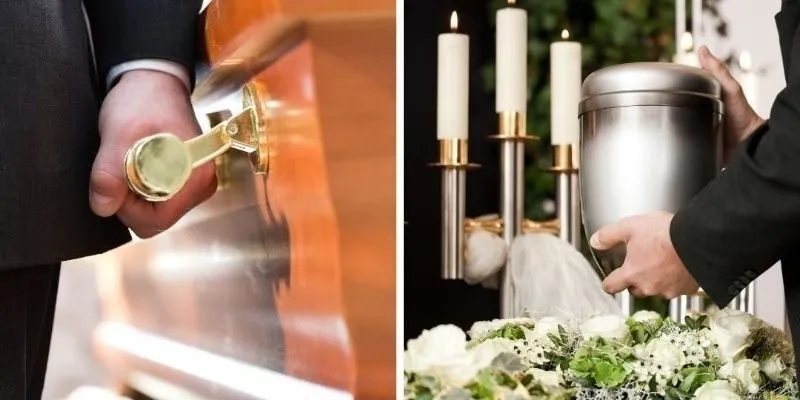
One of the most practical aspects of the cremation vs burial discussion is cost. Funeral expenses can place significant financial strain on grieving families, so understanding the full picture is essential. Below is a detailed comparison of the typical costs associated with each method to help guide informed planning.
| Cost factor | Cremation | Burial |
| Basic service fee | £700 – £1,500 | £1,500 – £3,000 |
| Casket or urn | £100 – £500 (urn) | £900 – £5,000 (casket) |
| Cemetery or plot fee | Optional / lower cost | £1,000 – £4,000+ |
| Embalming | Usually not required | £200 – £700 |
| Memorial service | Flexible and optional | Often included in package |
| Total estimated cost | £1,000 – £3,500 | £4,000 – £12,000+ |
Environmental impact and long-term considerations
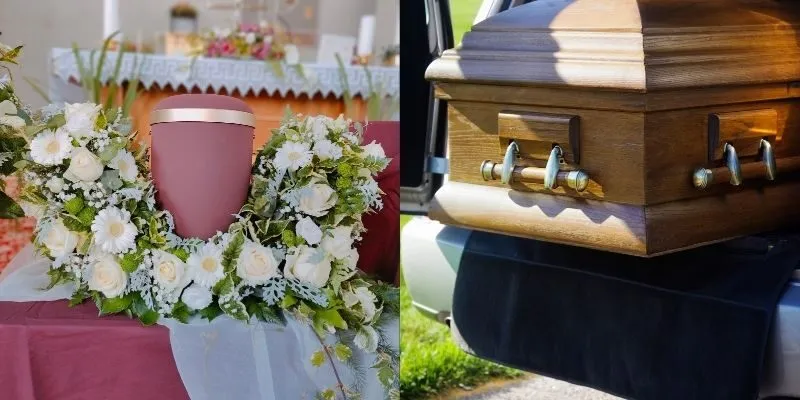
As environmental awareness grows, many families now factor ecological impact into the cremation vs burial decision. Both methods have measurable effects on the environment, though they differ in nature and scale. Understanding these impacts allows families to align their final choices with their broader values around sustainability and land use.
Ecological footprint of cremation
Cremation releases carbon dioxide and other gases into the atmosphere during the incineration process. A single cremation produces approximately 160 kg of CO₂. However, it requires no land, no embalming chemicals, and no long-term cemetery maintenance. Green alternatives like water cremation (aquamation) are emerging as even more eco-friendly options for environmentally conscious families.
Environmental effects of traditional burial
Traditional burial uses significant land resources and often involves chemicals like formaldehyde used in embalming, which can leach into surrounding soil. Metal caskets and concrete vaults also take centuries to decompose. However, natural or green burials — without embalming or synthetic materials — offer a more sustainable alternative within the burial category for those who prefer it.
Green burial as a middle-ground option
Green burial bridges the gap in the cremation vs burial conversation by offering an earth-friendly interment approach. Bodies are buried in biodegradable shrouds or caskets, returning naturally to the earth. This growing practice is gaining traction in the UK and beyond, supported by dedicated green burial grounds that prioritize ecological preservation alongside meaningful memorial experiences for families.
Emotional and practical factors families should consider
Beyond cost and environment, the cremation vs burial choice involves deeply personal emotional factors. Grief is complex, and the method of disposition can affect how families process loss over time. Practical considerations such as mobility, family geography, and future memorialization preferences also shape which option feels most appropriate and meaningful for each unique situation.
Cremation offers flexibility that burial typically does not. Families can hold a memorial service weeks or months after the death, scatter ashes in meaningful locations, or divide remains among multiple family members. For families considering Austin Davis and Son, personalized guidance is available to help navigate these decisions with compassion.
Burial, on the other hand, provides a fixed, tangible place for remembrance. Many people find comfort in having a specific location to visit on anniversaries, birthdays, or difficult days. A gravestone becomes a permanent tribute and a focal point for ongoing grief rituals. For families with strong community or religious ties to a local cemetery, burial often feels like the more culturally connected and emotionally grounding choice.
It is also worth considering the wishes of the deceased. Pre-planning documents, wills, or verbal conversations with loved ones can clarify preferences and reduce the burden on surviving family members during a time of emotional distress. Whichever direction a family leans in the cremation vs burial debate, honoring the individual’s values and legacy should remain at the heart of every decision made. To explore available arrangements, visit the Services page for comprehensive support options.
>>> Read More: Funeral Directors Near Me | Trusted Local Funeral Services
Conclusion
The cremation vs burial decision is never one-size-fits-all. It involves a careful balance of financial realities, personal values, environmental concerns, and emotional needs. Both options can provide meaningful, dignified farewells when approached with care and intention. If you are navigating this decision for yourself or a loved one, the compassionate team at Austin Davis and Son is ready to offer expert, sensitive guidance every step of the way.