
Losing a loved one is one of the most profound experiences a person can face. Grief support resources play a vital role in helping individuals navigate the overwhelming emotions that follow bereavement. Whether you’re dealing with fresh loss or a long-standing wound, knowing where to turn for compassionate, professional guidance can make a meaningful difference in your healing journey.
Understanding why grief support resources matter
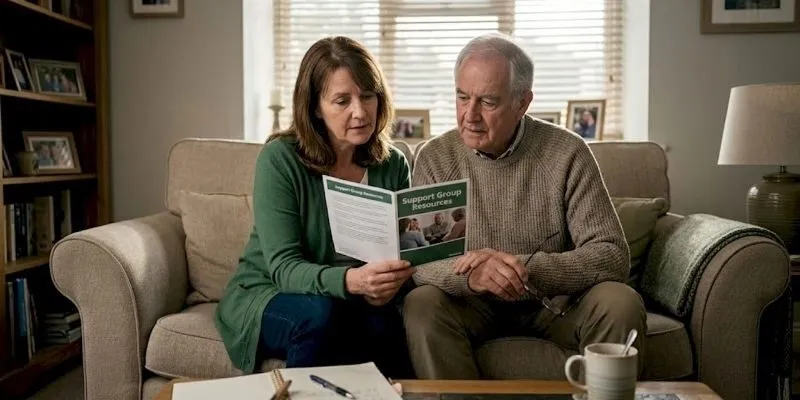
Grief is not a linear process. It shifts, resurfaces, and manifests differently for every person. Having access to reliable grief support resources ensures that no one has to face the weight of loss in isolation. From counselling services to community groups, these resources provide emotional scaffolding during some of life’s most difficult moments. Understanding what’s available is the first step toward healing.
The need for structured support becomes especially clear when grief begins to interfere with daily functioning. When sleep is disrupted, concentration falters, or relationships strain under the pressure of unexpressed sorrow, professional grief support resources offer a pathway back to stability. Many people are unaware of how much help is genuinely accessible, both locally and online.
Organisations like Austin Davis and Son understand that bereavement extends well beyond the funeral. Their commitment to families includes signposting meaningful support pathways, recognising that grief is an ongoing journey rather than a single event. This kind of holistic approach is what sets compassionate funeral services apart from purely transactional ones.
Types of grief support resources available today
The landscape of bereavement support has expanded significantly in recent years. Today, individuals can access a wide range of grief support resources tailored to different needs, preferences, and stages of loss. Understanding the variety available helps people make informed choices about the kind of support that will resonate most with their personal circumstances and emotional state.
One-to-one counselling and therapy
Individual grief counselling offers a confidential space to process loss at your own pace. A trained therapist helps you explore complicated emotions, including guilt, anger, and profound sadness, without judgment. This form of support is particularly effective for those experiencing prolonged or complicated grief, where emotions become entangled with trauma or unresolved relationship dynamics.
Community bereavement groups
Peer-led or professionally facilitated grief groups provide something counselling alone cannot: shared human experience. Sitting with others who understand loss firsthand creates a sense of belonging that reduces isolation. Many community centres, hospices, and faith organisations host regular bereavement groups, offering a consistent, welcoming space for individuals to speak openly about their loved ones.
Digital and online support platforms
For those who find in-person attendance difficult, online grief support resources offer accessible alternatives. From moderated forums and virtual counselling sessions to guided self-help programmes, digital platforms have democratised access to bereavement care. Organisations regularly update their News sections with helpful articles, upcoming events, and new resources to support the bereaved community.
A guide to key grief support resources by type

The following table provides a structured overview of the most commonly used grief support resources, helping bereaved individuals and their families identify the right form of support based on their unique needs, availability, and preferred method of engagement.
| Resource type | Best suited for | Access method | Cost |
| Individual grief counselling | Complicated or prolonged grief | GP referral or private booking | Free (NHS) or paid |
| Community bereavement groups | Those seeking peer connection | Local hospice, charity, church | Usually free |
| Online counselling platforms | Those with mobility or time constraints | Website or app | Free to subscription |
| Helplines (e.g., Cruse Bereavement) | Immediate emotional support | Phone or live chat | Free |
| Written self-help resources | Independent learners | Books, workbooks, websites | Low cost or free |
| Funeral home aftercare services | Families post-funeral | Via funeral director | Often included in service |
How to choose the right grief support resources for your situation

Selecting the most appropriate grief support resources depends on a range of personal factors, including the nature of the loss, your support network, and how your grief is currently manifesting. There is no single correct approach, and many people benefit from combining multiple forms of support simultaneously. What matters most is taking the first step toward reaching out.
Assessing your immediate emotional needs
Before seeking support, it helps to reflect honestly on what you need most right now. Do you need someone to simply listen? Are you struggling with practical decisions alongside your grief? Or are you finding that your emotions are becoming unmanageable? Identifying your core needs helps match you with the most effective grief support resources available in your area or online.
Involving family members in the process
Grief rarely affects just one person. When a loved one passes, entire families enter a shared period of mourning, each experiencing loss differently. Encouraging family members to explore grief support resources together, whether through joint counselling or attending a bereavement group, can strengthen relationships and create a more cohesive path through sorrow rather than fragmenting under individual burdens.
Knowing when professional intervention is needed
While many people move through grief naturally over time, others develop complicated grief disorder, which requires clinical intervention. Signs include persistent inability to accept the loss, social withdrawal lasting months, or intrusive thoughts about the deceased. In these cases, structured grief support resources provided by trained mental health professionals are not just helpful — they are essential for recovery and long-term wellbeing.
Conclusion
Navigating loss is never easy, but the right grief support resources can transform isolation into connection and confusion into clarity. From one-to-one counselling to community groups and digital platforms, support is available for every type of loss and every stage of bereavement. If you or someone you love is struggling, reach out to Austin Davis and Son — a compassionate team dedicated to walking alongside families not just at the funeral, but throughout the entire journey of grief.