
When a loved one passes away, knowing who to notify when someone dies becomes one of the most urgent and emotionally taxing responsibilities a family faces. From government agencies to financial institutions, the list of parties requiring notification is longer than most people expect. This guide walks you through every essential step to ensure nothing is overlooked during an already difficult time.
Who to notify when someone dies: the essential first contacts

The hours immediately following a death require swift action. Knowing who to notify when someone dies in those first critical moments can prevent legal complications and ease the administrative burden later. Certain contacts must be reached before any other steps can proceed, particularly those with legal authority over the deceased’s affairs.
The doctor or medical examiner
The very first call should go to the attending physician or, if the death was unexpected, the local medical examiner or coroner. A certified medical professional must officially confirm and record the death. Without this confirmation, no death certificate can be issued, and without a death certificate, nearly every other notification process is legally blocked.
The funeral home or funeral director
Once the death is confirmed, contacting a reputable funeral home is the next step. A professional funeral director, such as those at Austin Davis and Son, can guide families through immediate logistics including the collection of the body, preparation for burial or cremation, and the initial paperwork required by local authorities. Their experience takes significant pressure off grieving families.
Immediate family members and close friends
Personal notifications matter just as much as official ones. Informing close relatives, long-time friends, and anyone who may have been a caregiver ensures that the people who loved the deceased have time to grieve and make arrangements to attend services. This step should be handled with sensitivity, ideally through direct phone calls rather than text messages or social media.
Government and legal bodies: understanding who to notify when someone dies officially

After the immediate contacts have been reached, attention must shift to official institutions. Knowing who to notify when someone dies at a government level is critical to prevent identity fraud, stop benefit payments, and settle the deceased’s legal standing. These notifications are time-sensitive and carry legal consequences if delayed.
The following table provides a structured overview of the key government and legal bodies that must be contacted, along with the reason and typical timeframe for each notification.
| Organization | Reason for notification | Recommended timeframe |
| General Register Office (GRO) | Register the death and obtain death certificates | Within 5 days (England & Wales) |
| HM Revenue & Customs (HMRC) | Stop tax credits, update income tax records | As soon as possible |
| Department for Work and Pensions (DWP) | Cancel state pension and benefit payments | Within 1 week |
| Local council | Cancel council tax and housing benefits | Within 2 weeks |
| Passport Office | Cancel the deceased’s passport | Within 1 month |
| DVLA | Cancel driving licence and vehicle registration | Within 1 month |
| Probate Registry | Begin the probate process for the estate | After obtaining death certificate |
Financial institutions and service providers to contact after a bereavement
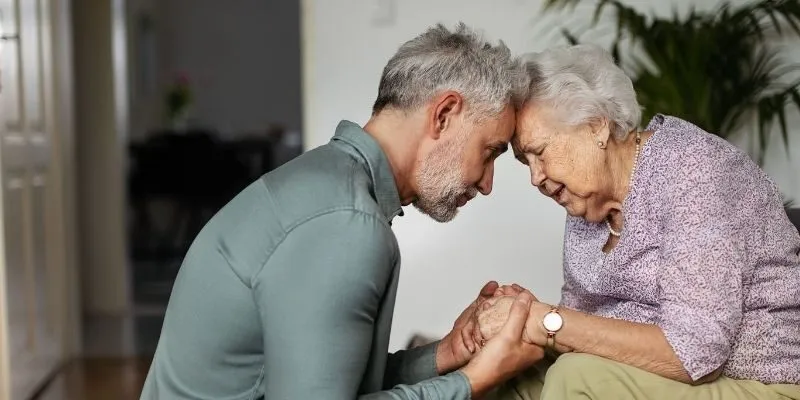
Beyond government agencies, financial and service organizations form a significant part of the notification process. Understanding who to notify when someone dies in the financial sector helps protect the estate from fraud, closes unnecessary accounts, and ensures that assets are properly transferred to beneficiaries. Each institution will typically require a certified copy of the death certificate before taking any action.
Banks and building societies
Notifying the deceased’s bank or building society freezes individual accounts and begins the process of transferring or closing them. Joint accounts typically transfer automatically to the surviving account holder, but sole accounts require probate before funds can be released. Bring certified copies of the death certificate and proof of your relationship to the deceased when visiting in person.
Insurance companies and pension providers
Life insurance policies, private pension schemes, and annuities all require prompt notification. Delays in contacting these providers can result in missed payouts or administrative complications. For detailed guidance on what to do in the days following a loss, the resource at Upon A Death offers a comprehensive and compassionate walkthrough of each required step.
Utility companies and subscription services
Ongoing bills for gas, electricity, water, broadband, and subscription services such as streaming platforms or magazine subscriptions should be cancelled or transferred. Failure to notify these providers can result in continued charges against the estate. Many utility companies have dedicated bereavement teams who handle these calls with care and efficiency, reducing the burden on families.
Employer, landlord, and social contacts: completing the full picture of who to notify when someone dies
The notification process extends beyond institutions and into the personal and professional spheres of the deceased’s life. Completing this stage ensures that who to notify when someone dies is addressed comprehensively, leaving no loose ends that could cause problems for the estate or surviving family members in the months ahead.
If the deceased was employed at the time of death, their employer must be notified promptly. The employer will need to process a final payslip, calculate any outstanding holiday pay, and arrange the return of company property. Some employers also offer death-in-service benefits, which can provide a lump sum payment to nominated beneficiaries. Knowing who to notify when someone dies in a professional context can therefore have a direct financial benefit for the family.
If the deceased was renting a property, the landlord must be informed as soon as possible. The tenancy agreement will need to be formally ended, and the property cleared and returned in good condition. Delays in notifying a landlord can result in additional rental charges accruing against the estate. Similarly, if the deceased owned a property, the mortgage lender should be contacted to discuss the status of the loan.
>>> Read More: Grant of Probate | Process, Requirements & Legal Guide
Conclusion
Understanding who to notify when someone dies is one of the most important responsibilities a family can undertake during bereavement. From medical professionals and government agencies to banks, employers, and personal contacts, each notification plays a vital role in protecting the estate and honoring the deceased. The team at Austin Davis and Son is here to support families through every stage of this process with compassion and expertise.